Cars & vehicles
The Canadian automotive landscape is experiencing unprecedented transformation. From the rapid electrification of vehicle fleets to shifting preferences between body styles, drivers across the country face more choices—and more confusion—than ever before. Whether you’re navigating frigid February mornings in rural Saskatchewan or juggling family needs in suburban Ontario, understanding the fundamental aspects of vehicle selection, ownership, and performance has become essential.
This comprehensive resource explores the core themes shaping vehicle ownership in Canada today. We’ll examine the electric vehicle transition and its unique challenges in our climate, compare the practical realities of different body styles, address winter-specific performance considerations, and provide clarity on building long-term reliability into your purchase decision. Our goal is to equip you with the knowledge to make confident, informed choices that align with your actual driving needs and local conditions.
Understanding the Electric Vehicle Revolution in Canada
The transition to electric vehicles represents the automotive industry’s most significant shift in a century, but Canadian buyers face unique considerations that make this journey particularly complex.
Climate Impact on Battery Performance
Canadian winters create a reality that few other markets experience so intensely. Cold temperatures can reduce EV range by 30-40% during extreme weather, a fact that surprises many first-time electric vehicle buyers. When lithium-ion batteries operate below freezing, their chemical reactions slow dramatically, reducing both available power and overall capacity. This phenomenon affects not just your commute distance, but also charging times and regenerative braking efficiency.
The practical implications are significant. A vehicle rated for 400 kilometers in summer conditions might deliver only 240-280 kilometers on a -25°C morning. Cabin heating compounds this challenge, as electric vehicles lack the waste heat that combustion engines provide freely. Smart buyers factor this seasonal variance into their range calculations from day one, ensuring their vehicle’s summer range exceeds their winter needs by a comfortable margin.
Evaluating Total Cost of Ownership
Federal and provincial incentive programs have made electric vehicles more financially accessible, but calculating true return on investment requires careful analysis. Consider these factors:
- Upfront incentives: Federal rebates and provincial programs can combine to reduce purchase price significantly
- Electricity vs gasoline costs: Charging at home during off-peak hours typically costs a fraction of gasoline per kilometer
- Maintenance savings: Fewer moving parts mean reduced service needs over the vehicle’s lifespan
- Infrastructure investment: Home charging installation represents an initial expense but adds property value
Choosing Between Hybrid and Fully Electric
For Canadians in rural areas or regions with developing charging infrastructure, plug-in hybrids offer a compelling middle ground. These vehicles provide electric-only capability for daily commuting while maintaining gasoline backup for longer journeys. This flexibility proves particularly valuable in provinces where charging station density remains limited outside major corridors. The ability to complete most local driving on electricity while avoiding range anxiety on weekend trips to the cottage makes hybrids worth serious consideration for many Canadian lifestyles.
Choosing the Right Vehicle Type for Your Lifestyle
The debate between compact SUVs and sedans has evolved beyond simple preference into a complex calculation involving safety, practicality, resale value, and driving dynamics. Understanding what each body style actually delivers helps cut through marketing noise.
Compact SUVs have captured dominant market share for clear reasons. Their elevated seating position provides better sight lines in traffic and easier access for passengers of all ages. The higher ground clearance proves genuinely useful navigating snow-covered parking lots, unpaved cottage roads, and winter’s accumulated slush. Cargo versatility stands as another major advantage—the ability to fold rear seats completely flat accommodates everything from hockey equipment to furniture purchases with minimal fuss.
However, sedans offer underappreciated benefits. Their lower center of gravity creates more stable handling, particularly on highways and during emergency maneuvers. Physics doesn’t lie: a vehicle with mass positioned closer to the ground resists rollover more effectively and responds more predictably during sudden direction changes. Modern all-wheel-drive sedans deliver winter capability that rivals many SUVs when paired with proper tires, while typically offering better fuel economy and quieter highway cruising.
The choice ultimately depends on honest assessment of your actual needs versus perceived ones. Families requiring regular third-row seating or frequent cargo hauling genuinely benefit from SUVs. But buyers who prioritize driving dynamics, fuel efficiency, and lower purchase prices might find sedans better aligned with their reality—despite current market trends favoring utility vehicles.
Winter Performance Essentials Every Canadian Should Know
Canadian winters don’t just test vehicles—they expose misunderstandings about what actually creates safe, reliable cold-weather performance. Let’s clarify several critical concepts.
The Ground Clearance Factor
February snowfall in Canada can transform parking lots and side streets into obstacle courses. Ground clearance—the distance between your vehicle’s lowest point and the road surface—determines whether you navigate these conditions confidently or find yourself stuck. Compact SUVs typically offer 200-220mm of clearance compared to sedans’ 130-160mm. This difference matters when traversing unplowed parking areas, navigating snow-covered driveways, or dealing with the frozen ruts that form in residential streets.
All-Wheel Drive Versus Winter Tires
One of the most dangerous misconceptions in Canadian vehicle ownership is believing that all-wheel drive eliminates the need for winter tires. This myth puts countless drivers at risk annually. Here’s the reality: AWD helps you accelerate on slippery surfaces, distributing power to wheels with the most traction. But AWD provides absolutely no advantage for turning or stopping—the two situations where winter accidents most commonly occur.
Winter tires, conversely, are engineered with rubber compounds that remain flexible in freezing temperatures and tread patterns designed to bite into snow and ice. They improve performance in all three critical areas: acceleration, cornering, and braking. Transport Canada data consistently shows that proper winter tires reduce accident risk far more effectively than drivetrain configuration. The most capable winter setup combines AWD with dedicated winter tires, but if forced to choose, winter tires deliver greater safety benefits.
Maximizing Long-Term Reliability and Value
Buying a vehicle represents one of the largest investments most Canadians make, second only to housing. Protecting this investment requires understanding which factors truly predict longevity and dependability.
Proven Powertrains for Extended Ownership
Naturally aspirated engines—those without turbochargers or superchargers—have earned reputations for exceptional durability. Their simpler design involves fewer components operating under extreme stress, resulting in longer service lives and lower repair costs. While turbocharged engines deliver impressive performance and efficiency, they introduce additional complexity that can reduce longevity, particularly when not meticulously maintained. For buyers planning to keep vehicles beyond 200,000 kilometers, naturally aspirated options deserve serious consideration.
Transmission Technology and Longevity
The transmission debate centers on three main technologies, each with distinct reliability profiles:
- Traditional automatics: Mature technology with well-understood maintenance requirements and proven longevity when properly serviced
- CVTs (Continuously Variable Transmissions): Excellent efficiency but historically mixed reliability records; quality varies significantly by manufacturer
- Manual transmissions: Simplest design with fewest failure points, though increasingly rare and requiring driver skill
Manufacturer Reputation and Research
Certain automotive markets have earned reputations for reliability through decades of consistent performance. Japanese manufacturers, particularly Toyota and Honda, have built their global success on engineering vehicles that routinely exceed 300,000 kilometers with proper maintenance. German manufacturers often deliver sophisticated engineering and engaging driving dynamics, but may require more frequent service and higher parts costs as vehicles age.
Smart buyers avoid first-year production models, when manufacturing processes are still being refined and design flaws haven’t yet been identified. Online enthusiast forums provide invaluable real-world reliability data from actual owners, revealing common problems specific to individual model years. This research, conducted before purchase rather than after, prevents expensive regrets and identifies which vehicles truly deliver long-term dependability.
Strategic Timing for Purchase and Resale
Vehicle ownership involves not just acquisition, but also understanding when to exit before depreciation accelerates or major repairs become necessary. Canadian market conditions create specific timing considerations.
Compact SUVs maintain stronger resale values than sedans in the current market, typically retaining 5-10% more of their original price after five years. This trend reflects sustained consumer demand but also means higher initial purchase prices. The optimal resale window often occurs before vehicles reach 100,000 kilometers and before major maintenance items like brake system overhauls or transmission services become due.
Seasonal timing matters too. Spring represents the strongest period for private vehicle sales in Canada, as buyers emerge from winter ready to make purchases and tax refunds provide down payment funds. Conversely, trading vehicles in late fall or early winter often yields lower values as dealer lots fill and buyer activity slows. Understanding these cycles helps maximize return on your automotive investment.
The Canadian automotive landscape demands more from vehicles than most global markets—extreme temperature swings, harsh winter conditions, vast distances, and diverse terrain. Making informed decisions requires understanding how these factors interact with vehicle technology, body styles, and ownership strategies. Whether you’re embracing electric propulsion, selecting between SUVs and sedans, or building a long-term ownership plan, the key lies in matching vehicle capabilities to your actual needs rather than trends or assumptions. Take time to research thoroughly, test drive in real-world conditions, and prioritize the features that genuinely matter for your driving reality. The right vehicle, chosen with knowledge and care, will serve you reliably for years to come.

What Are the Most Reliable Used Cars in Canada? A Fleet Manager’s Guide to 300,000 km Vehicles
The key to buying a car that survives 300,000+ km in Canada isn’t picking a reliable brand; it’s learning to spot and avoid specific, expensive points of failure before you buy. Small, modern turbo engines and CVT transmissions introduce complexity…
Read more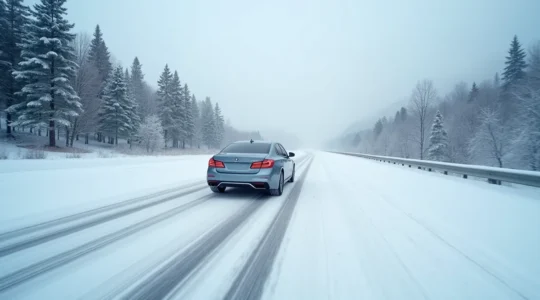
AWD Sedans for Quebec Snow: Why They’re Not Just Sufficient, They’re Superior
The obsession with SUVs for Quebec winters overlooks a key truth: an AWD sedan often provides superior safety and control when it matters most, thanks to the fundamental laws of physics. A lower center of gravity provides inherently better stability…
Read more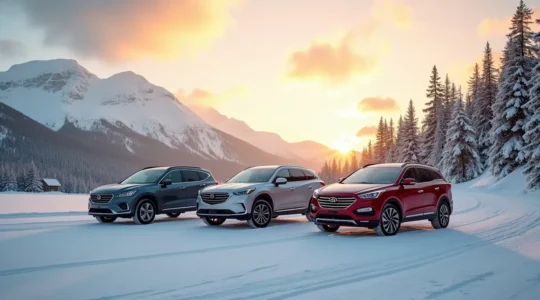
Best Compact SUVs for Canadian Winters: Stability vs. Fuel Economy
Choosing the right compact SUV for a Canadian winter isn’t about finding the “best” on paper, but mastering the real-world trade-offs between deep snow capability and urban practicality. True winter performance hinges on dedicated winter tires and understanding the physics…
Read more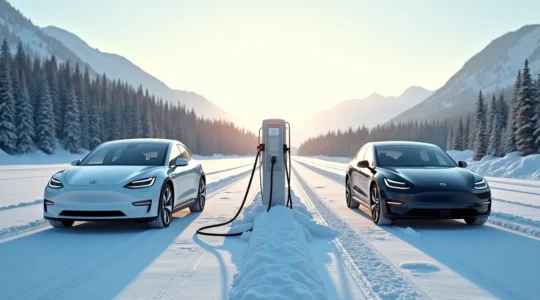
Gas vs. Electric in Canada: Is It the Right Time to Switch given the Rates?
The decision to switch to an EV in Canada isn’t about gas prices; it’s about mastering the “Total Cost of Winter Operation”—the real measure of financial and practical viability. Winter range loss is significant, but predictable and manageable with the…
Read more