Accessories & equipment
The difference between a vehicle that simply gets you from point A to point B and one that truly serves your needs often comes down to the accessories and equipment you choose. Whether you’re navigating harsh Canadian winters, hauling cargo across provinces, or simply trying to make your daily commute more comfortable and safe, the right equipment transforms your driving experience.
Yet with countless products flooding the market—from critical safety gear to convenient tech upgrades—knowing what you actually need versus what’s merely marketed as essential can feel overwhelming. This comprehensive resource breaks down the major categories of automotive accessories and equipment, explaining why certain items deserve your investment, how to choose quality products, and which common mistakes could compromise your safety or wallet.
Seasonal Tire Selection and Winter Readiness
In Canada, tire selection isn’t just about performance—it’s a matter of safety and legal compliance. Understanding when and why to switch tires can prevent accidents and extend the life of your investment.
The Critical Temperature Threshold
The 7-degree Celsius mark represents the point where all-season tires begin losing their grip advantage. Below this temperature, the rubber compounds in regular tires harden, reducing traction on both dry and wet pavement—even before snow appears. Winter tires use specialized compounds that remain flexible in freezing conditions, maintaining the grip that could mean the difference between stopping safely and sliding through an intersection.
All-Weather Versus Dedicated Winter Tires
All-weather tires, marked with the three-peak mountain snowflake symbol, offer year-round convenience and meet winter tire requirements in provinces with mandatory winter tire laws. However, dedicated winter tires still outperform them in severe conditions. Think of all-weather tires as a good pair of running shoes—versatile and adequate for most situations—while winter tires are specialized snow boots designed for the harshest conditions.
Measuring Tread Depth and Timing Your Purchase
Canadian winters demand adequate tread depth. While the legal minimum is typically 1.6 mm, effective winter performance requires at least 4-5 mm. Using a simple tread depth gauge or even a quarter (inserting it into the tread with the caribou’s nose pointing down—if you can see the nose, it’s time for replacement) gives you a quick assessment. Purchasing tires in early fall, before the rush, helps you avoid shortages and secure better pricing.
Safe Towing and Cargo Management
Towing and hauling require more than just hooking up a trailer and hitting the road. Proper weight distribution, equipment selection, and load securing directly impact your vehicle’s handling and everyone’s safety on the highway.
Understanding Real Towing Capacity
Manufacturer towing capacity ratings often represent ideal conditions—a base model vehicle with minimal cargo and a single driver. Your actual capacity decreases with passengers, gear, and accessories. The payload (everything you put in and on your vehicle, including the trailer’s tongue weight) counts against your total capacity. Exceeding these limits stresses your transmission, brakes, and suspension, potentially voiding warranties and creating dangerous handling situations.
Load Distribution and Securing Techniques
Proper trailer loading places 60% of the weight forward of the trailer axle, with 10-15% of total trailer weight on the tongue. Too little tongue weight causes dangerous sway; too much overloads your vehicle’s rear axle. In truck beds, secure all cargo with proper tie-downs rated for the load weight, and distribute heavy items evenly. A shifting load can transform a routine highway drive into a loss-of-control emergency.
Trailer Brake Controllers and Tire Pressure
Trailers exceeding certain weight thresholds require electric brakes and a properly calibrated controller in your tow vehicle. These systems allow you to adjust braking force based on load and provide manual override when needed. Equally critical: maintaining correct tire pressure on both vehicle and trailer. Underinflated tires generate excessive heat during long hauls, leading to blowouts—particularly dangerous when towing.
Protective Safety Gear Standards and Selection
For motorcyclists, ATV riders, and anyone operating powersports equipment, safety gear represents the only barrier between you and serious injury. Yet not all protective equipment offers equal protection, and even quality gear has a limited lifespan.
Helmet Certification and Expiration
Helmets carry expiration dates because the materials degrade over time. The protective foam compresses with normal use, UV exposure breaks down outer shells, and adhesives weaken—even if the helmet never experiences an impact. Most manufacturers recommend replacement every five to seven years. Canadian riders should look for helmets meeting DOT, Snell, or ECE standards, with ECE 22.06 (the most recent European standard) often considered the most rigorous.
Beyond the Helmet: Complete Protection
Back and spine protection often gets overlooked, yet it’s critical for preventing life-altering injuries. Integrated armor in motorcycle jackets provides some protection, but dedicated back protectors offer superior coverage and impact absorption. Similarly, regular jeans and sneakers provide virtually no abrasion resistance—road rash from a simple slide can require skin grafts. Proper riding jeans with Kevlar or aramid fiber reinforcement, along with boots covering the ankles and gloves with palm sliders, complete your protective system.
Interior Comfort and Ergonomic Enhancements
Long drives—whether for work, road trips, or daily commuting—take a physical toll. Strategic accessories can reduce fatigue, minimize distractions, and make hours behind the wheel far more bearable.
Lumbar Support and Seating Comfort
Factory lumbar support often provides minimal adjustment, leaving many drivers with lower back pain after extended driving. Aftermarket lumbar cushions with adjustable firmness fill the gap between your lower back and the seat, maintaining proper spinal alignment. For Canadian winters, heated seat covers add warmth without the cost of factory-integrated systems, though they typically lack the even heat distribution of built-in elements.
Organization and Distraction Reduction
A cluttered center console creates unnecessary stress—fumbling for toll cards, garage openers, or charging cables while driving divides your attention. Simple organizers with dedicated compartments keep essentials within reach without the search. Phone mounts deserve particular attention: positioning your phone low on the dashboard or near the vent forces your eyes away from the road. Mount it at eye level, near the top of the windshield or in your direct line of sight, to minimize dangerous head movement.
Floor Mat and Cargo Area Protection
Canadian winters subject vehicle interiors to relentless assault from salt, slush, sand, and road chemicals. Without proper protection, this seasonal abuse permanently damages carpeting and cargo areas.
Why Salt Destroys Factory Carpeting
Road salt doesn’t just stain—it actively degrades carpet fibers and the adhesive bonding carpet to the floor pan. Once salt works into factory carpeting, it attracts moisture, creating a perfect environment for rust to form on the metal underneath. This isn’t merely cosmetic; it’s a structural concern that reduces resale value and can lead to costly repairs.
Laser-Fit Versus Universal Floor Mats
Laser-measured floor mats, custom-designed for specific vehicle makes and models, provide complete coverage with raised edges that channel liquids into containment areas. Universal mats leave gaps where slush can escape, and improper fit creates a serious safety hazard—a mat sliding under the brake or accelerator pedal has caused numerous accidents. Never layer mats; the top mat will shift, potentially interfering with pedal operation.
Cargo Area and Seat Back Protection
Dog owners quickly discover that claws puncture fabric cargo areas, while anyone hauling groceries knows the frustration of items sliding during turns. Rubber cargo mats with anti-slip textures protect against both issues. Bumper protectors prevent scratching when loading heavy items, and seat back protectors shield upholstery from muddy boots—particularly valuable for families with active children or outdoor enthusiasts.
Essential Emergency Equipment Every Vehicle Needs
Emergency equipment sits unused for months or years—until the moment you desperately need it. Quality matters enormously in these critical situations, yet many drivers unknowingly carry inadequate or expired safety gear.
Jumper Cables and Battery Boosters
Bargain jumper cables use undersized wire that overheats or melts when attempting to start a vehicle with a deeply discharged battery. Quality cables feature 4- to 6-gauge wire with thick insulation and solid clamps. Alternatively, portable battery boosters eliminate the need for a second vehicle, though they require regular recharging to remain functional.
Fire Extinguishers and Cutting Tools
Vehicle fires spread rapidly. A small BC-rated extinguisher (designed for flammable liquids and electrical fires) can stop an engine fire before it consumes the entire vehicle. Mount it within reach of the driver’s seat. Equally important: a window breaker and seatbelt cutter. If your vehicle enters water or you’re trapped after a collision with a jammed seatbelt, these simple tools provide escape routes when seconds count.
Road Flares and First Aid Kits
Traditional pyrotechnic road flares expire and become unreliable. LED-based emergency beacons offer unlimited shelf life, operate in wind and rain, and eliminate fire hazards. Automotive first aid kits should include items specific to vehicle emergencies: thermal blankets for exposure, trauma dressings for serious bleeding, and supplies for multiple people—accidents often involve passengers or other motorists who need assistance.
Modern Vehicle Security and Anti-Theft Systems
Vehicle theft techniques have evolved dramatically. Modern thieves bypass traditional locks and alarms using electronic exploits that most drivers don’t understand—leaving even new vehicles vulnerable.
Relay Attacks on Keyless Entry Systems
Keyless entry systems continuously emit a signal that your vehicle recognizes within a few meters. Thieves use signal amplifiers to capture this signal from your key inside your home and relay it to an accomplice at your vehicle, fooling the car into thinking the key is present. The vehicle unlocks and starts normally, and can be driven away—all without any visible break-in.
Faraday Pouches and Physical Security
Storing your key fob in a Faraday pouch blocks radio signals, preventing relay attacks. These metal-lined pouches cost minimal but require consistency—the protection only works when you actually use them. Physical deterrents like steering wheel locks add visible security that encourages thieves to choose easier targets. Locking your OBD-II port prevents unauthorized access to your vehicle’s computer system, blocking both theft and data harvesting.
In-Vehicle Technology Upgrades and Modernization
Older vehicles lack modern connectivity, but aftermarket accessories can add smartphone integration, diagnostics, and charging capabilities without expensive head unit replacements.
Wireless Connectivity Solutions
FM transmitters—which broadcast audio from your phone to your car radio—often suffer from interference and poor sound quality, particularly in urban areas with crowded radio spectrums. For vehicles with auxiliary inputs or Bluetooth, direct connections provide superior audio. Wireless CarPlay and Android Auto dongles plug into existing wired systems, adding wireless convenience to factory or aftermarket head units that lack this feature.
OBD-II Scanners and Vehicle Diagnostics
The OBD-II port provides access to your vehicle’s diagnostic system. Inexpensive Bluetooth adapters paired with smartphone apps let you read trouble codes, monitor real-time performance data, and clear minor issues without a trip to the shop. This transparency helps you distinguish between minor problems you can address yourself and serious issues requiring professional attention.
Quality Charging Solutions and Phone Mounts
Cheap USB chargers deliver inconsistent power that can damage phone batteries or charge frustratingly slowly. Look for chargers with proper voltage regulation and adequate amperage (at least 2.4A per port). Magnetic phone mounts offer one-handed attachment but require a metal plate on your phone or case; clamp-style mounts provide security without phone modification, though they require two hands for mounting.
Dashcam Systems for Legal Protection and Evidence
Dashcams provide objective evidence in accidents, insurance disputes, and unexpected incidents. However, not all dashcams offer usable footage, and improper setup can render them ineffective when you need them most.
Why Video Resolution Matters
License plates, street signs, and vehicle details become crucial evidence after incidents. 1080p resolution provides the minimum clarity needed for identifying these elements, while 4K captures finer details even at distance. Higher resolution also maintains usability when digitally zooming footage during analysis.
Parking Mode and Power Requirements
Parking mode monitors your vehicle when parked, detecting impacts or motion and recording potential hit-and-runs or vandalism. However, continuous recording drains your battery. Hardwired installations with low-voltage cutoff protection prevent battery depletion while maintaining monitoring capabilities. Alternatively, external battery packs power parking mode without risking your starting battery.
Storage and Legal Admissibility
Not all SD cards handle the constant writing and temperature extremes inside vehicles. Use high-endurance cards specifically rated for dashcam and surveillance use—regular cards fail prematurely. Regarding legal admissibility: Canadian courts generally accept dashcam footage as evidence, though specific admissibility depends on factors like tampering concerns and relevance to the case. Clear, timestamped footage from a properly functioning camera provides compelling documentation that often resolves disputes before reaching court.
Choosing the right accessories and equipment for your vehicle isn’t about accumulating gadgets—it’s about strategic investments that enhance safety, protect your investment, and address your specific driving conditions and needs. Whether you’re preparing for harsh Canadian winters, protecting loved ones during daily commutes, or simply making long drives more comfortable, understanding what each category of equipment offers and why quality matters ensures your purchases deliver genuine value rather than just filling your cargo space.

Dashcams in Canada: Legalities and Choosing the Right Camera for Winter
Contrary to common belief, simply having a dashcam in Canada offers no guaranteed legal protection; its evidentiary value is determined by its ability to overcome specific technical failures related to motion, cold, and data degradation. Standard HD video often fails…
Read more
Adding CarPlay and Bluetooth to Older Cars: Tech Upgrades That Work
The secret to successfully modernizing an older car in Canada isn’t just buying gadgets, but choosing components tough enough to survive our extreme weather and rough roads. Wireless adapters and phone mounts must be chosen for their performance in sub-zero…
Read more
Preventing Car Theft in Canada: Tag Systems, OBD Locks, and Faraday Pouches
Contrary to popular belief, a simple Faraday pouch is a dangerously incomplete solution to modern vehicle theft in Canada. Thieves bypass simple blockers by directly accessing your car’s internal computer (OBD port) or resorting to violence. True protection lies in…
Read more
Building the Ultimate Canadian Car Emergency Kit: Beyond the Basics
A standard car kit is for inconveniences; this guide is about building a professional-grade kit for genuine Canadian survival situations. Success depends on gear that withstands extreme cold, not just having the gear itself. Strategic placement and accessibility under duress…
Read more
Cargo Liners for Pet Owners and DIYers: Preventing Damage to Your Trunk
A quality cargo liner is not an accessory; it’s a strategic investment in your vehicle’s long-term value and structural integrity, especially in Canada. Simple blankets and universal mats fail to contain moisture, leading to rust, and don’t prevent abrasion from…
Read more
WeatherTech vs. Husky Liners: Protecting Your Car’s Resale Value from Canadian Salt
The white salt stains on your car’s carpet are not just ugly; they are a permanent chemical scar that savvy buyers will use to devalue your vehicle significantly. Cheap, flat mats fail because they can’t contain the sheer volume of…
Read more
Ergonomic Car Accessories: Reducing Back Pain on Long Drives
In summary: Your car seat is likely failing to support your spine’s natural curve, causing significant pain over long distances. Canadian-specific factors like cold weather, road noise, and post-winter potholes dramatically increase physical and mental load, worsening pain. A systematic…
Read more
Motorcycle Gear Safety Standards: Is Your Old Helmet Still Safe?
Time, not impact, is the primary, invisible enemy of your helmet’s structural integrity. The protective EPS foam inside your helmet chemically degrades within 5-7 years, losing its ability to absorb impact energy even if it has never been dropped. Newer…
Read more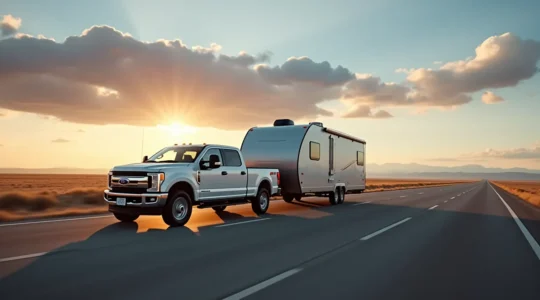
Towing safely: Understanding Payload, Tongue Weight, and GVWR
Confidently towing in Canada isn’t about memorizing rules; it’s about mastering the non-negotiable laws of physics that govern your truck and trailer. Your truck’s payload capacity—not its advertised tow rating—is often the first and most critical limit you will hit,…
Read more
Quebec Winter Tires: Your Complete Guide to Legal Deadlines and Safety Requirements
In summary: In Quebec, winter tires are mandatory on all four wheels from December 1st to March 15th. Tire performance degrades significantly below 7°C; the law is based on temperature science, not just snow. Use a 25-cent coin to check…
Read more